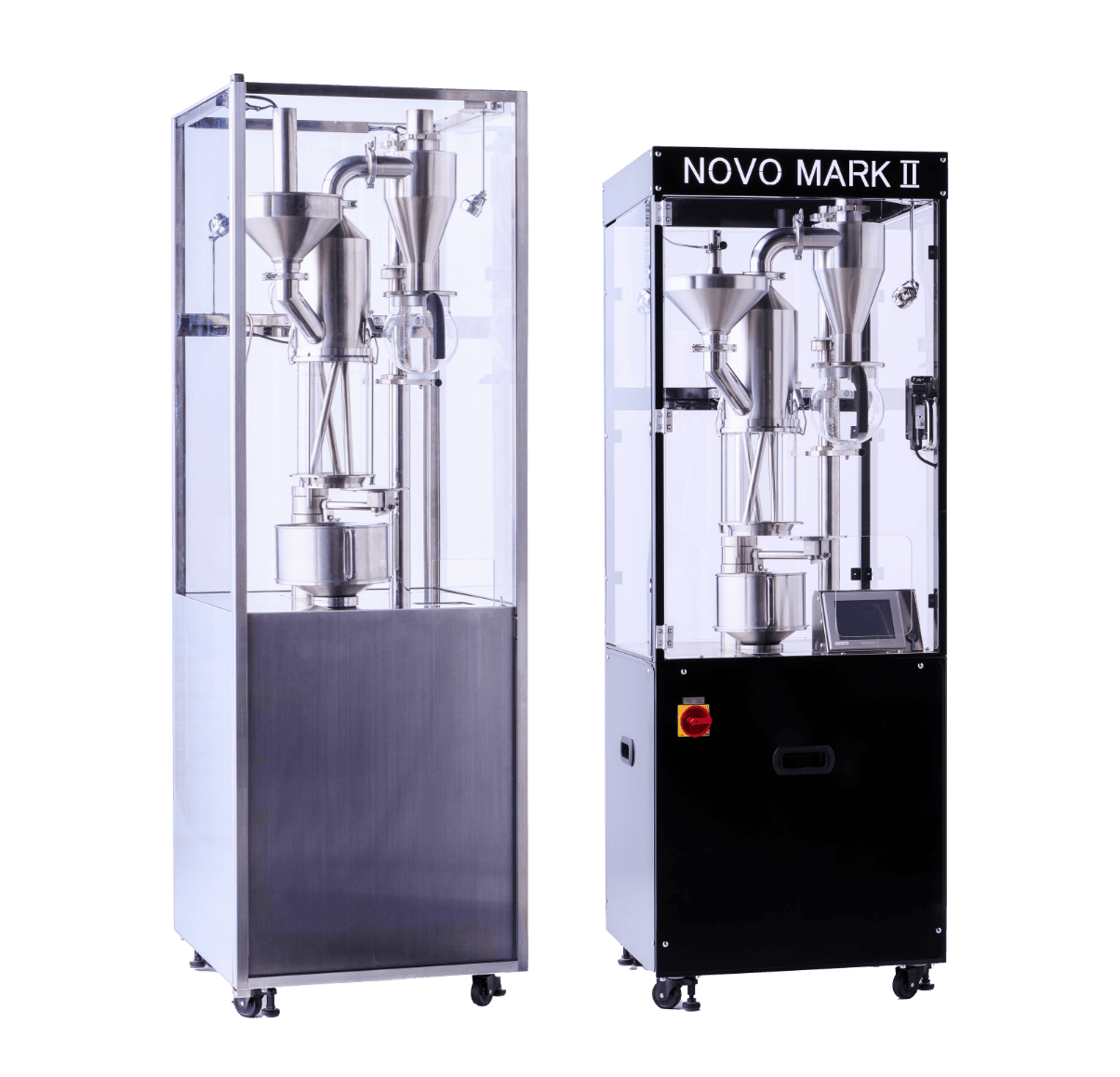
NOVO series is loved all over the world
Our products, which were born in Japan, are used by customers not only in Japan but also in Europe, America, Asia, and other regions.
For details of our case studies, please see the following page.


Produced by Daiichi Denshi,Inc.
Since 1966
Made in Kyoto





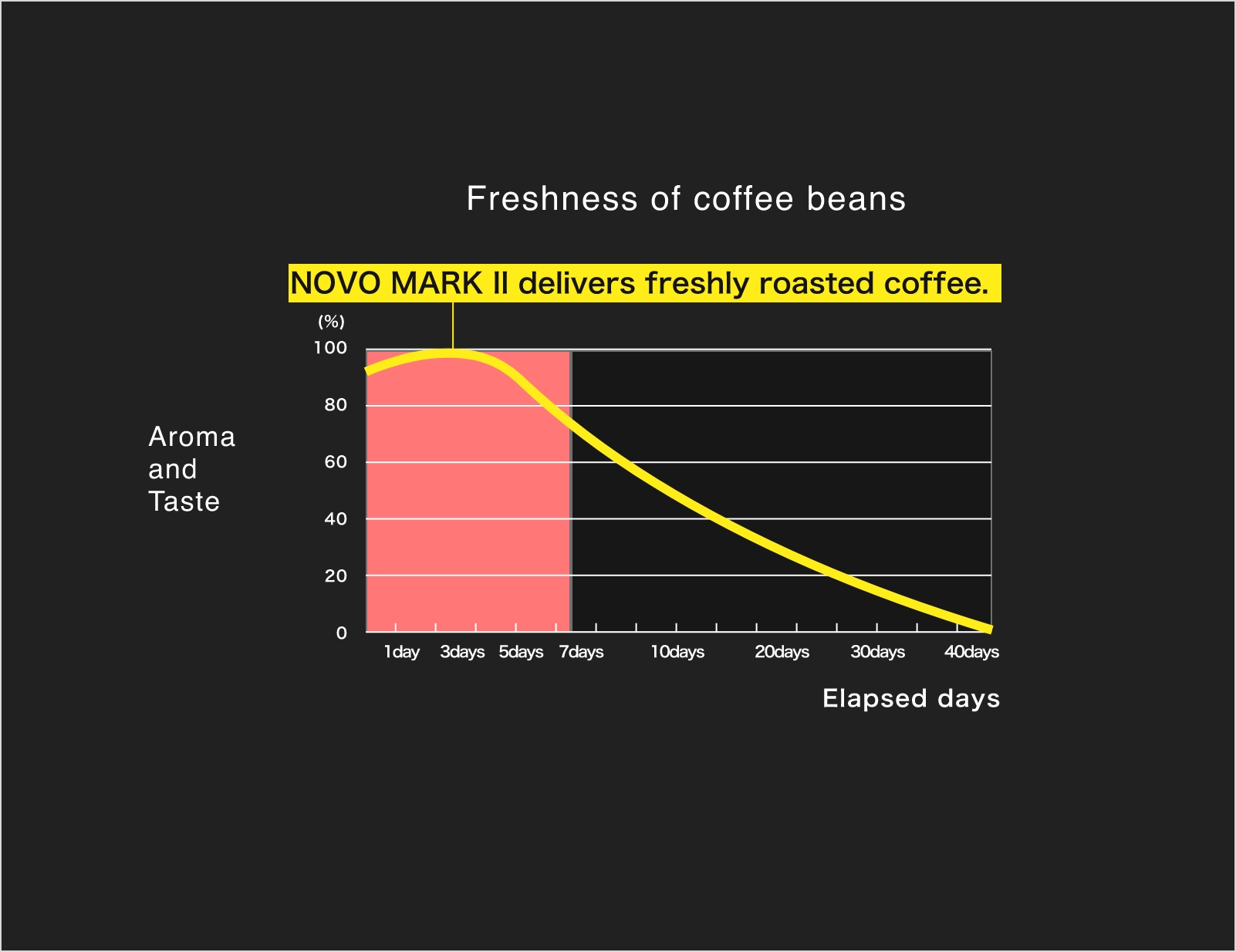
Coffee beans come from a plant, and like all plant products, they don’t stay fresh forever. Freshly roasted coffee releases a magical aroma.
With over 100 unique aromas, from fruity to chocolatey, there’s always something new to discover.
Unfortunately, in the current Japanese market, coffee often takes two to three weeks to reach consumers, and much of its aroma is lost along the way. We bring you new, fresh, and undiscovered aromas before they fade.
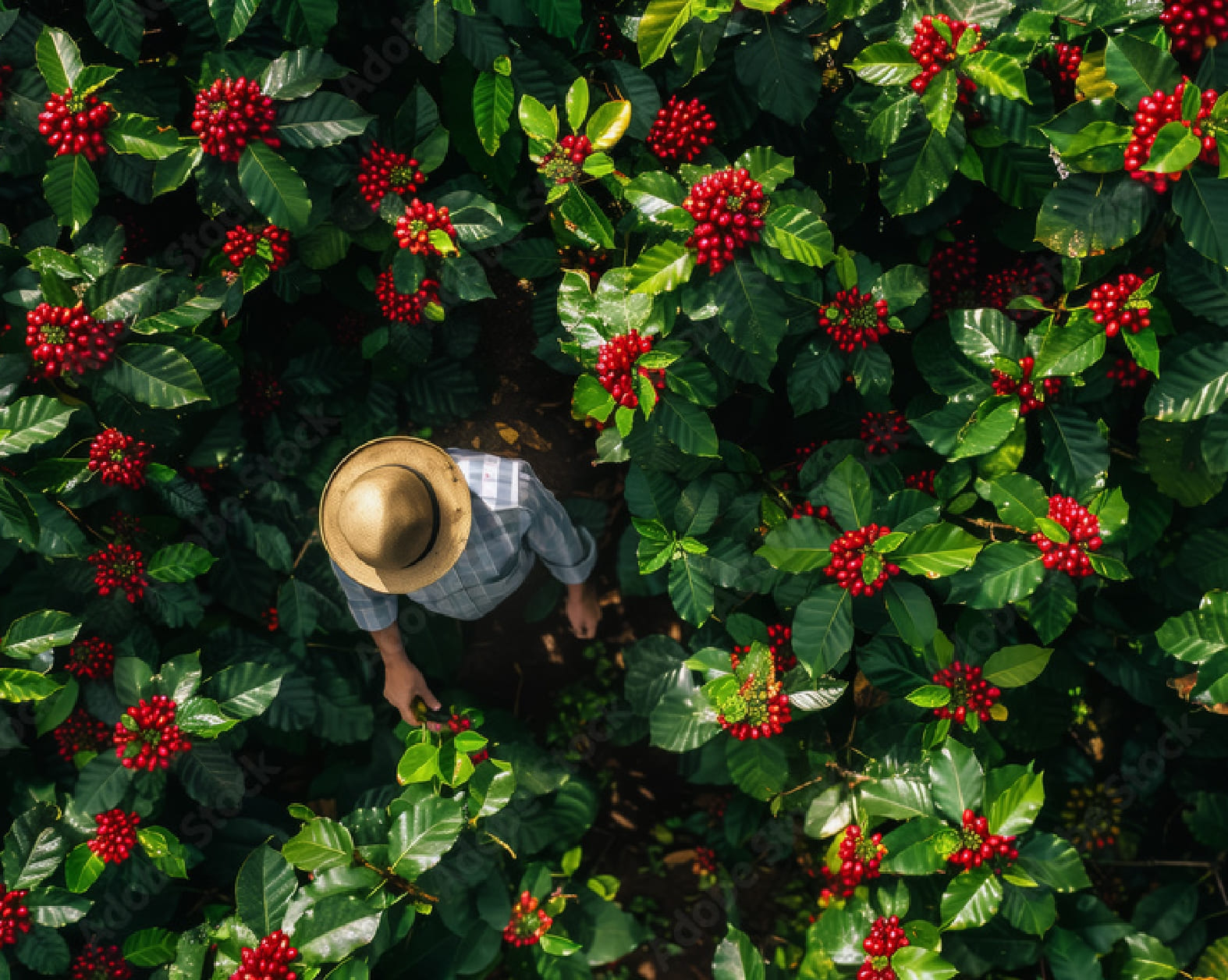
Where does coffee come from?
From high mountainous countries near the equator:
Brazil, Colombia, Uganda, Costa Rica, Yemen, East Timor, Hawaii, Panama, and more.
There is something known as specialty coffee. Carefully crafted at the farm, these coffees travel far and wide.
They carry stories that mass-produced products simply don’t.
Sometimes sweet, sometimes sour,
sometimes bitter — just like life.
As you savor it, the story continues,
growing into something even better.
For many people, “roasting” brings to mind a master roaster
— a figure that can feel a bit intimidating.
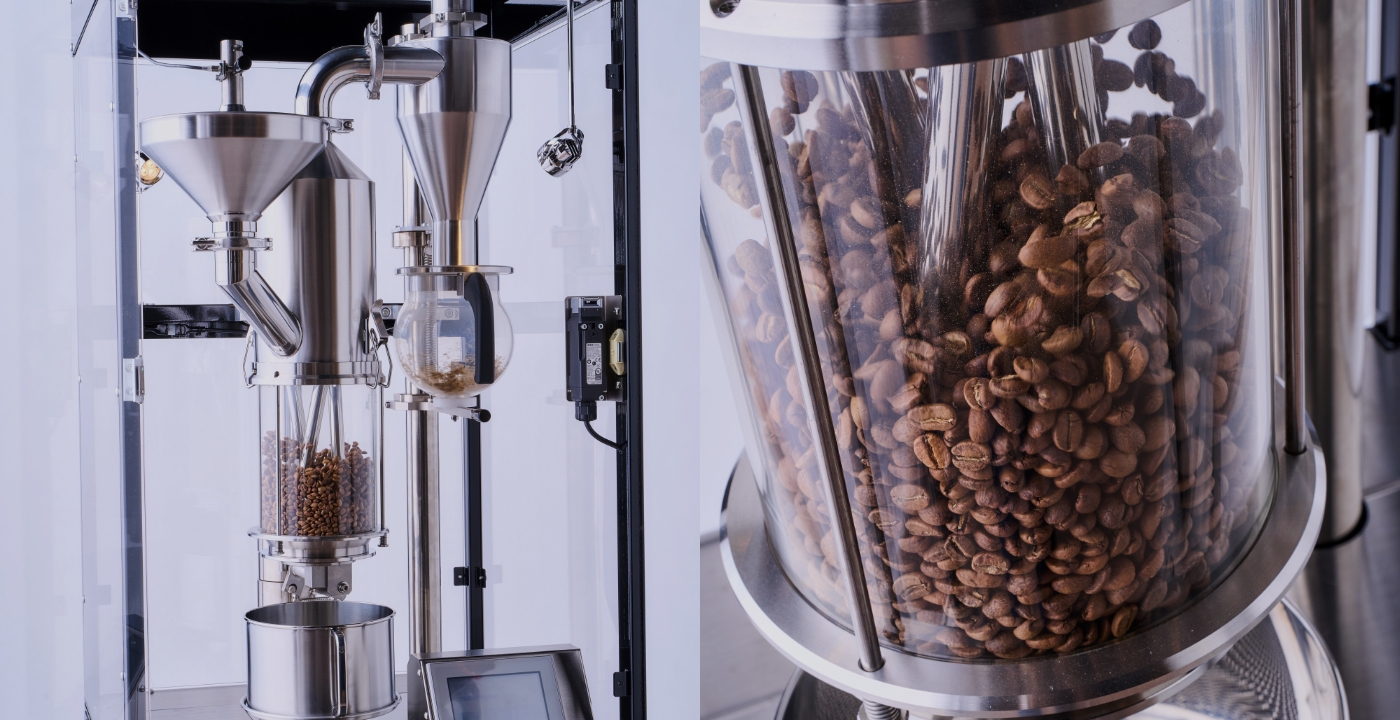
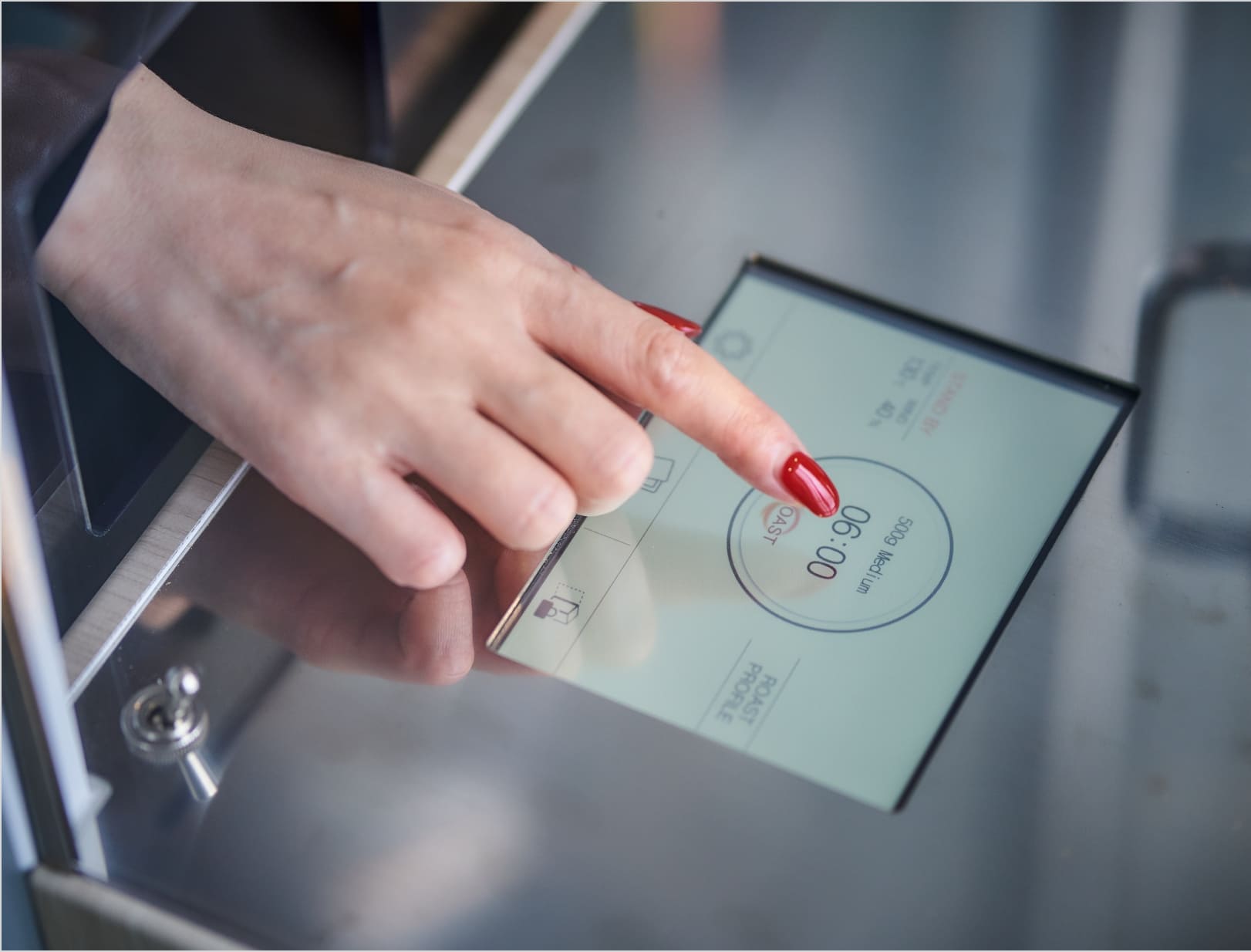
The NOVO series automates a craft said to take at least eight years to master, using high‑tech engineering MADE IN KYOTO.
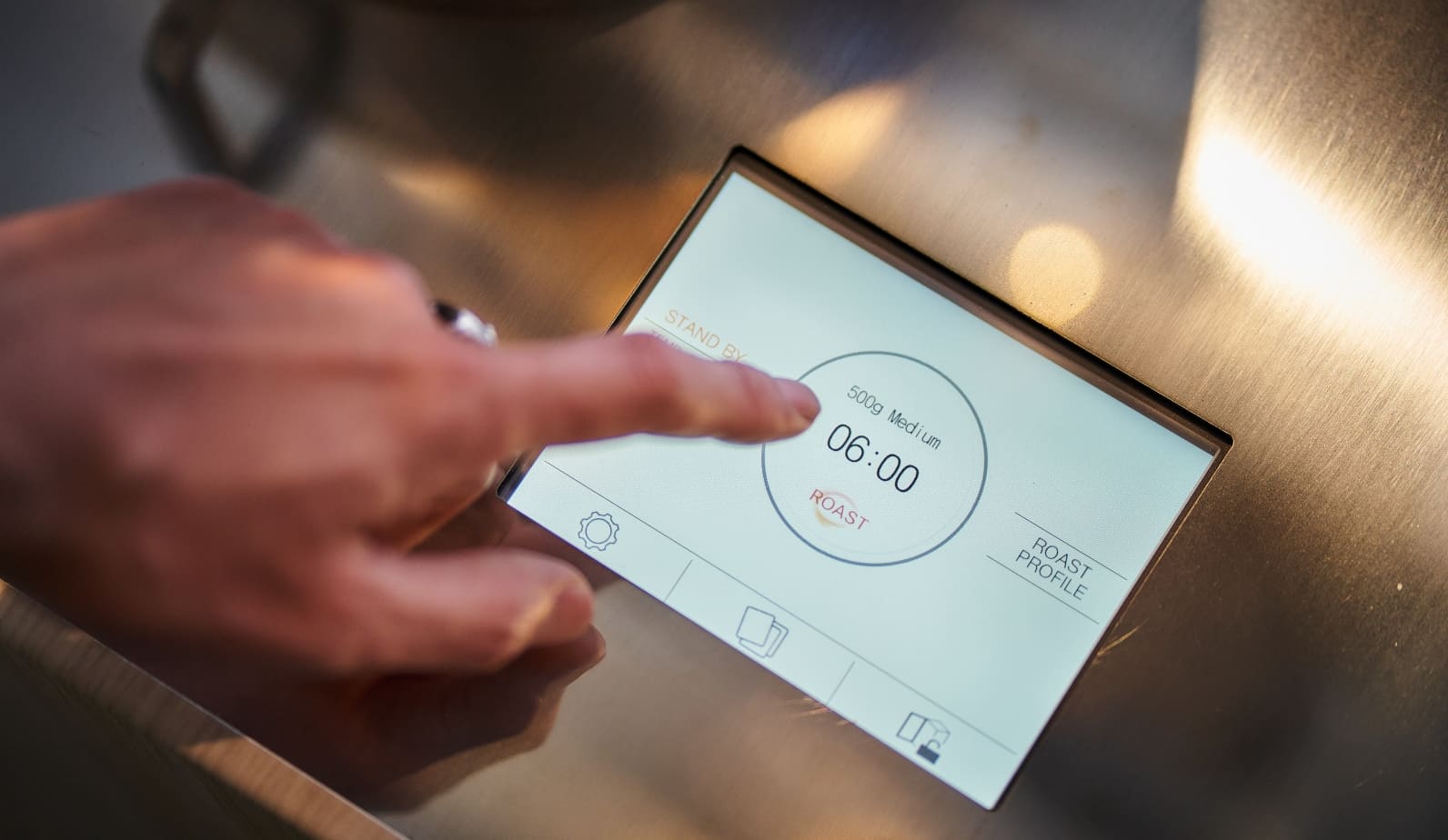
Choose from 50 to 150 roasting programs.
With the push of a button, enjoy coffee with bold bitterness or bright, fruity acidity — all with a rich aroma tailored to your taste.
Anyone can enjoy great coffee.
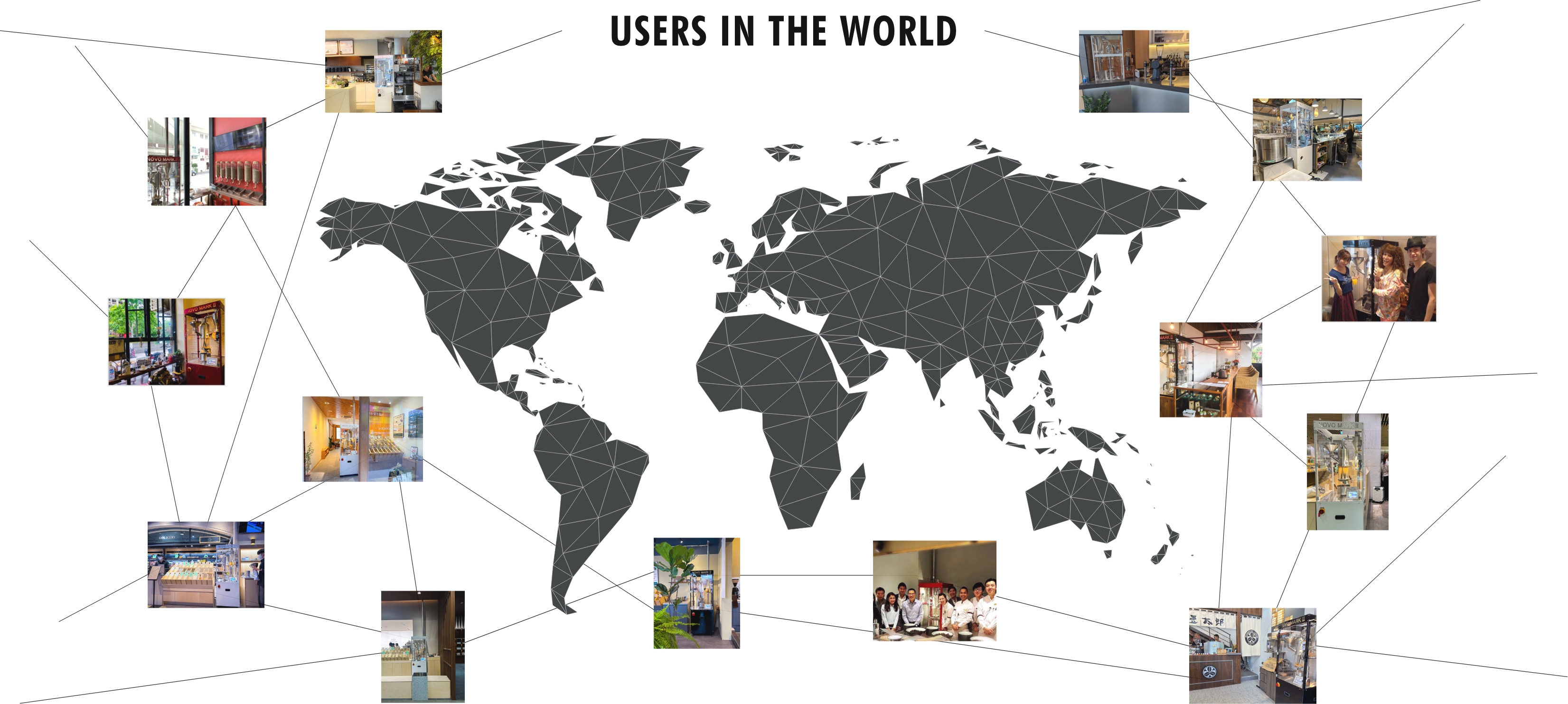
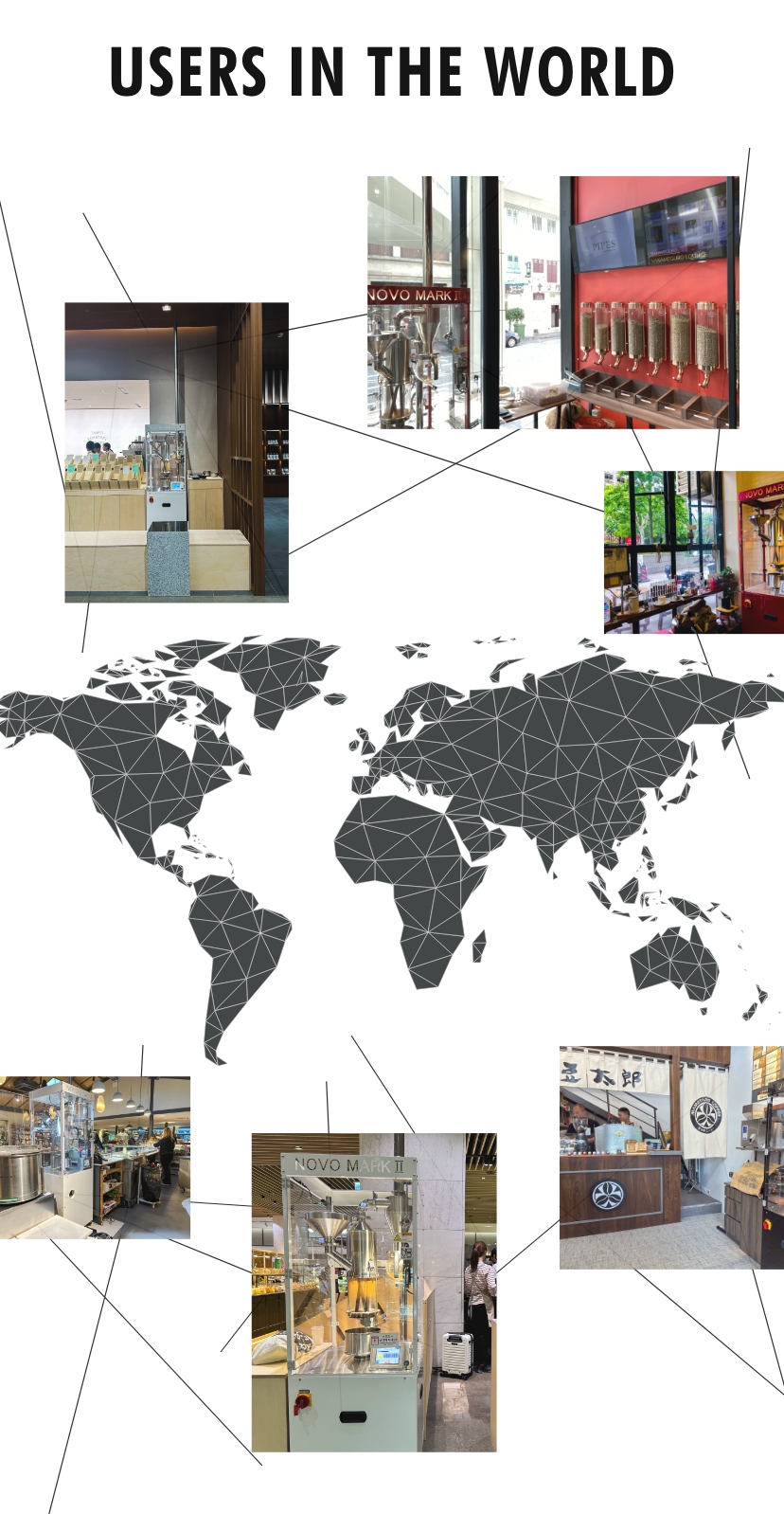
Our products, which were born in Japan, are used by customers not only in Japan but also in Europe, America, Asia, and other regions.
For details of our case studies, please see the following page.
People who visit this page are often searching for reliable information about coffee roasters, roasting, and coffee beans.
Whether you’re exploring roasting as a hobby or planning to open or upgrade a coffee shop, the right machine can change everything.
The transformation is remarkable to witness.
For more than half a century, Daiichi Denshi, Inc. has been manufacturing professional automation equipment in Kyoto.
Our roasting machines are far more than kitchen appliances. This roaster has the power to transform your shop — and even the market itself.
Here are three key reasons why.
Programmed control of craftsmen's skills.
The most revolutionary aspect is that there is no need to hire a roaster, or spend years training in roasting.
Delicate roasting techniques that typically take more than eight years to master are precisely programmed.
Simply select a program, press start, and roast with confidence — all while reducing personnel and training costs.
If you’ve come to this page, you probably already know that roasting is the most important factor in bringing out a coffee’s flavor and aroma. And now, you can gain that capability from day one.
Nowadays, even chess masters lose to computers.
In the same way, our automatic coffee roasters deliver a level of precision that even the most skilled artisans cannot surpass.
Please take a moment to appreciate the true value of coffee crafted with that kind of accuracy.

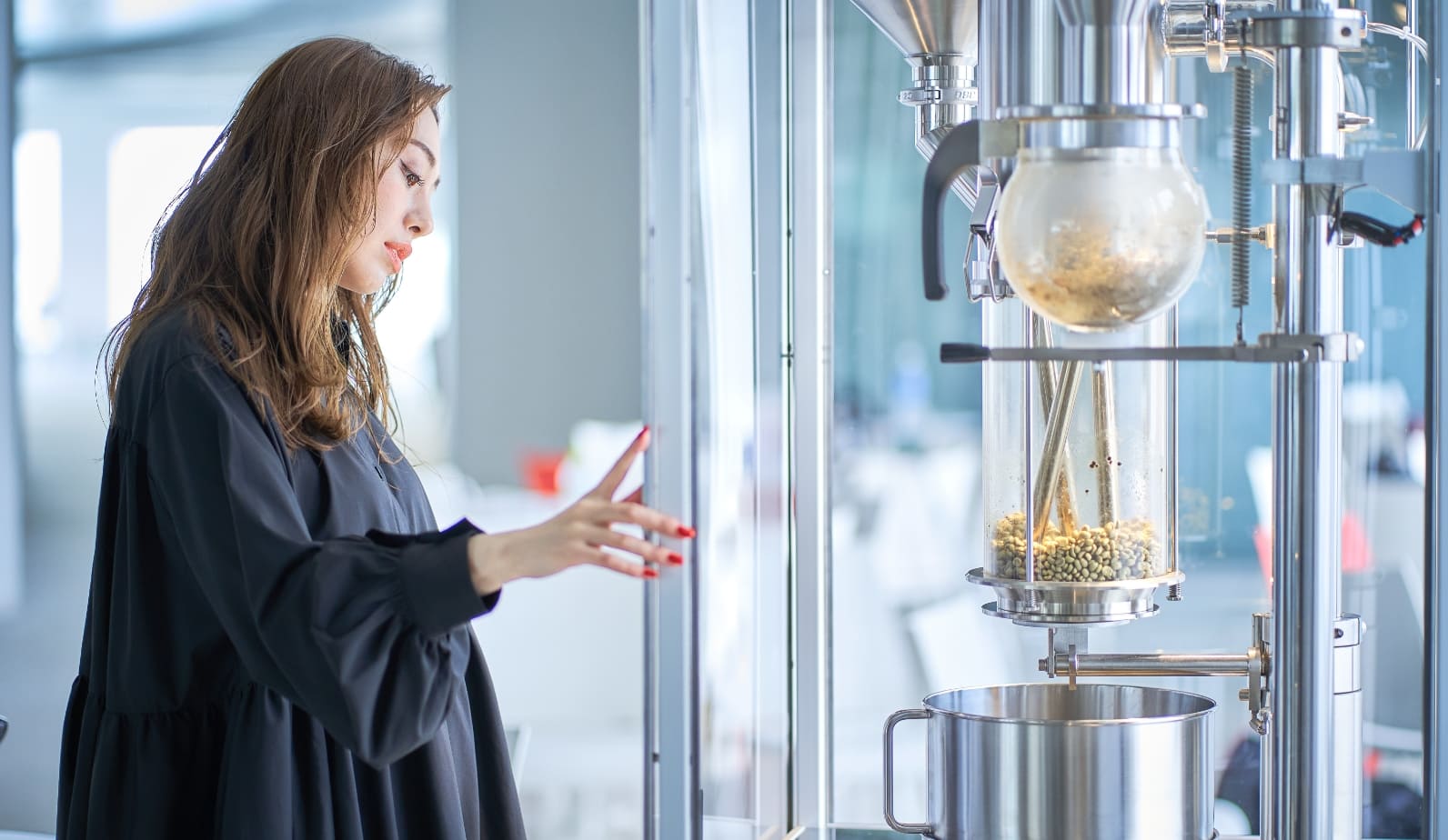
A coffee roaster is the symbol of in‑house roasting.
Yet in many cafés, despite being such an important piece of equipment, it sits hidden away in the back room.
Strangely, it stays out of sight—even though it’s inside the shop.
That’s why roasters are different from baristas and espresso machines.
They often become behind‑the‑scenes tools, not visible to customers on the shop floor.
As a result, most shops rely on beans roasted in factories or workshops.
This is probably true for most coffee beans used in Japanese coffee shops and cafes.
However, with this machine's significantly reduced smoke and noise levels, the roaster belongs at the front of the shop. We have obtained business permits for shopping malls and tenant spaces without any problems.
We are entering an era in which green coffee beans are displayed in showrooms, allowing customers to choose them directly.
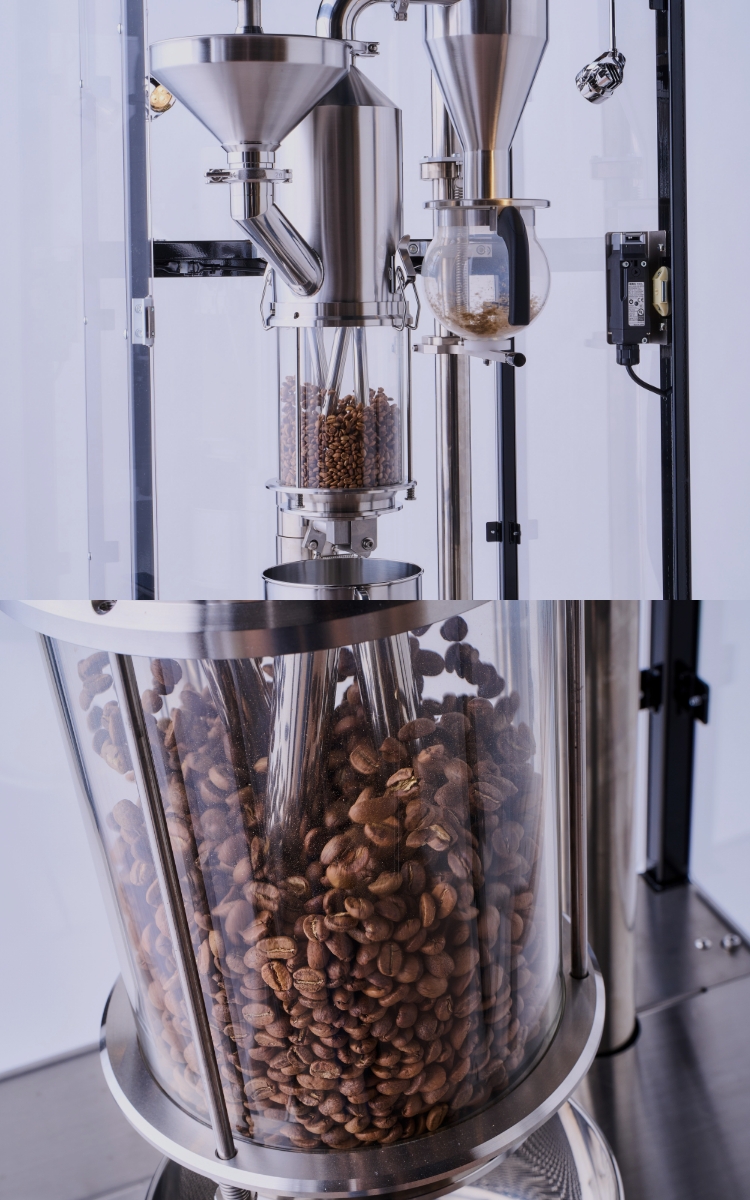
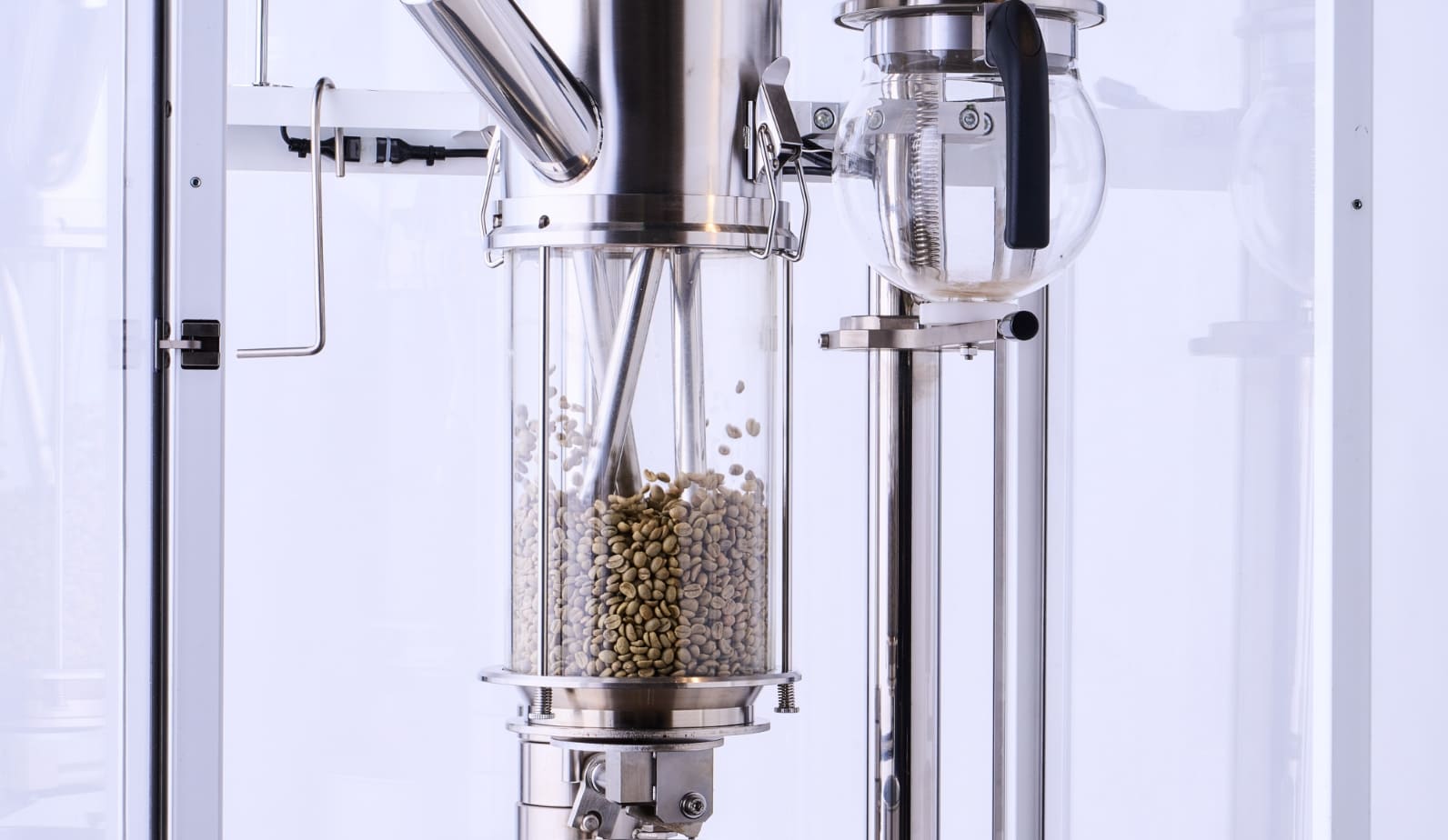
While other stores simply display pre-roasted beans, show your customers how the beans dance dynamically in the roasting glass and can be roasted in a short time.
Rather than just waiting, customers can watch their chosen green beans roast right before their eyes — a five‑minute experience that adds excitement and transparency.
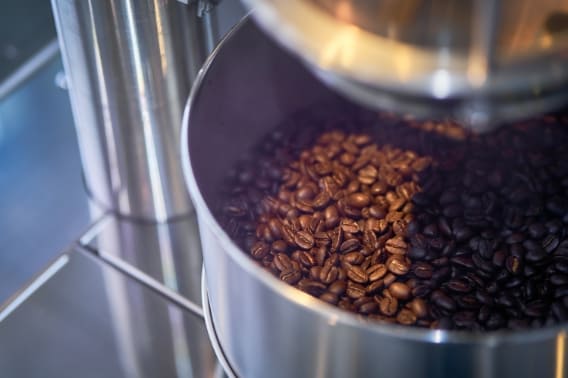
We believe our customers can best appreciate coffee when it's roasted to their preference right in front of them, rather than when it's roasted in a distant factory and shipped to them.
“Cafés and coffee shops are just a hobby.
They don’t really make money.”
You’ve probably heard that before.
But if that were true, why are Starbucks, Tully’s, and Doutor profitable?
Maybe they’re simply executing better.
Data shows that 60% of cafés close within three years of opening.
Have any of the cafés around you closed without your noticing?
However, shops that sell roasted coffee beans, not only brewed coffee, tend not to go out of business. This is because their loyal regular customers keep coming back.
Right now, Japan is experiencing a major coffee boom, driven in part by the rise of freshly brewed convenience‑store coffee.
As this trend grows, more people will continue to value quality roasting and carefully selected ingredients.
It’s hard to imagine a future where people suddenly stop drinking coffee.
Unlike newer trends like pancakes or acai bowls, coffee is already an essential part of daily life, with a well‑established culture of daily home brewing.
However, if you simply buy wholesale beans roasted elsewhere and serve drip coffee, your business still faces a 60% chance of closing within three years.
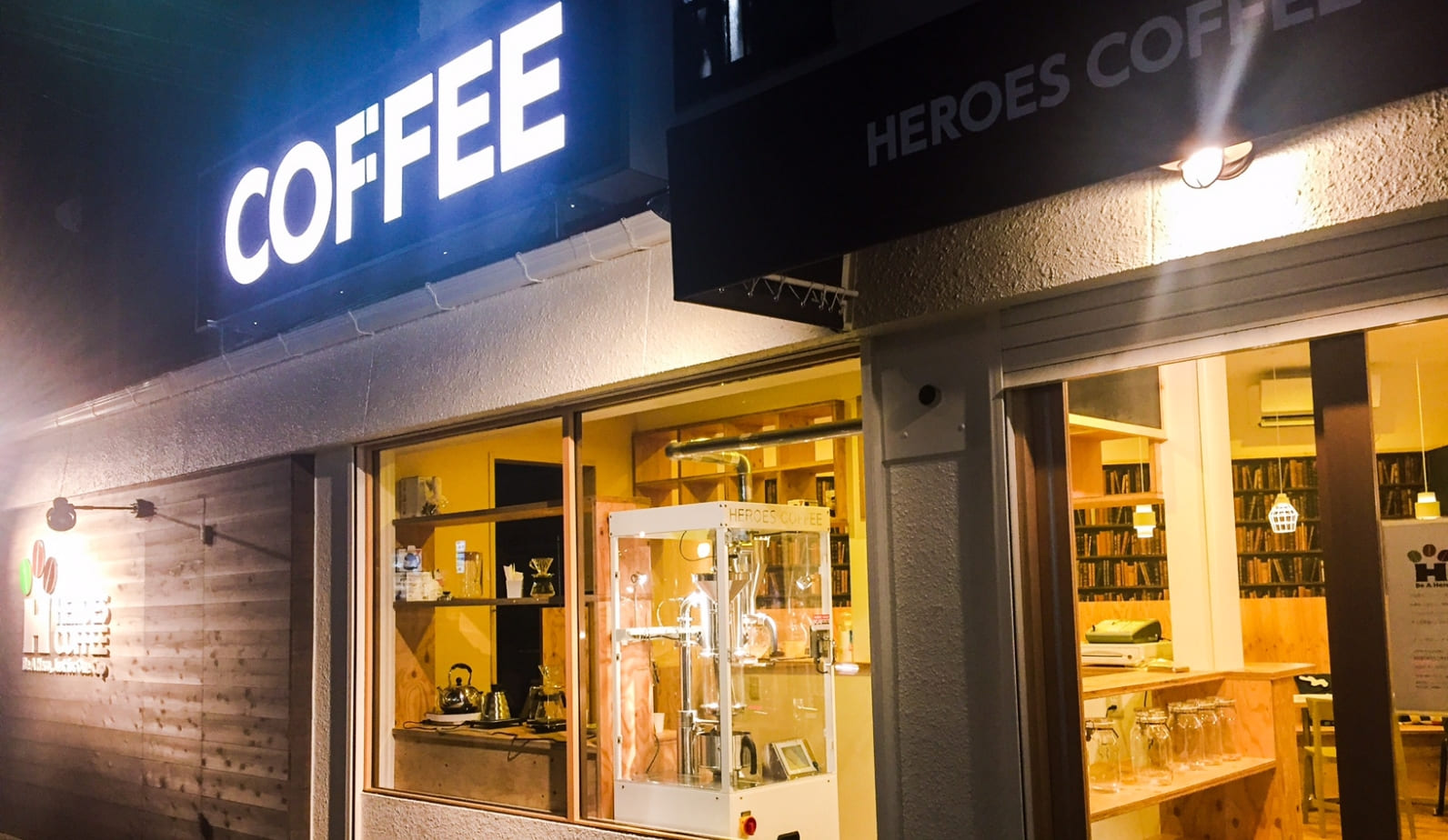
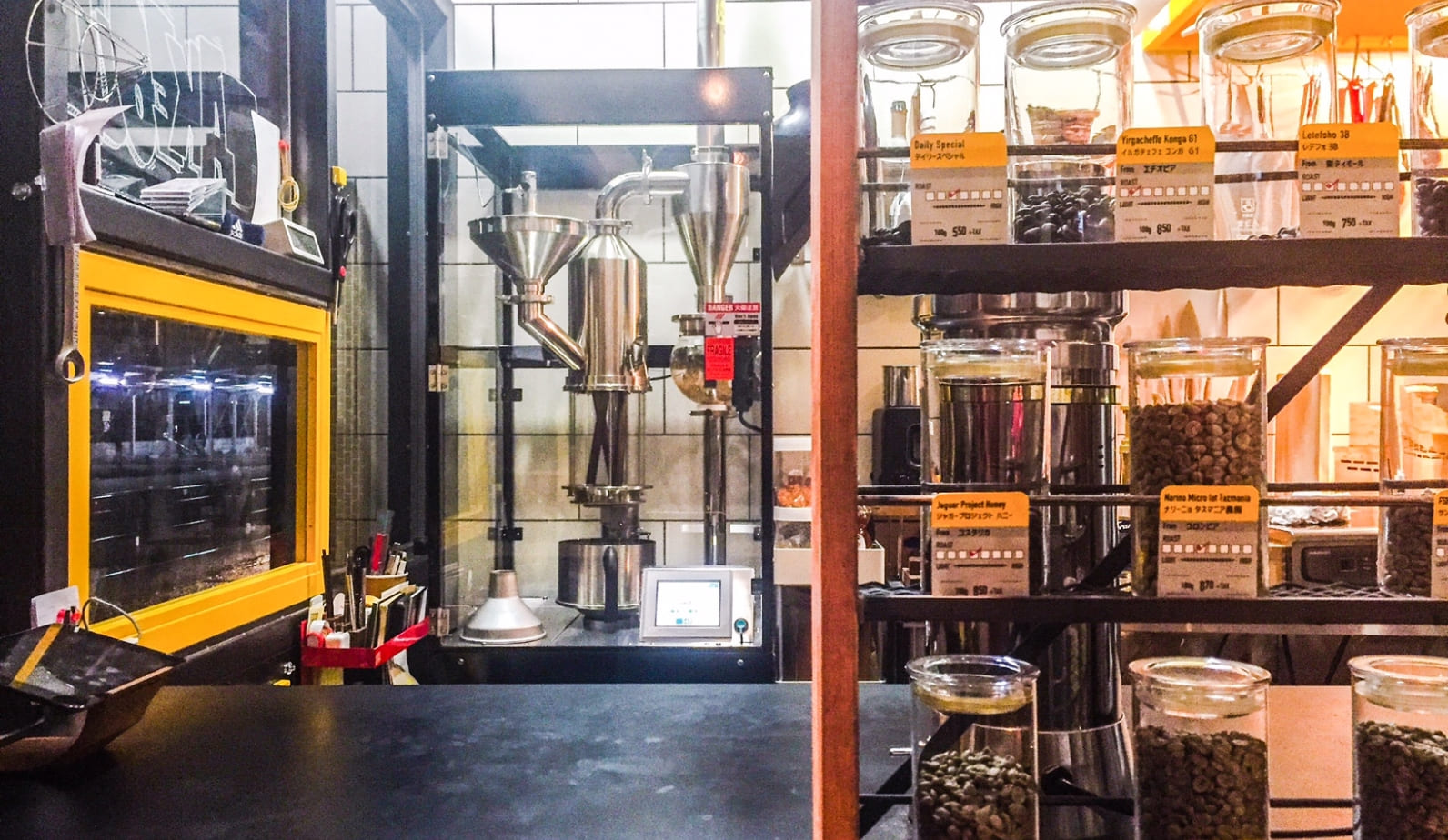
However, if you source raw beans, roast them yourself, and sell the finished product in‑store, online, or wholesale, your brand gains a powerful path to long‑term sustainability. The secret is simple: low cost.
Green beans cost only one‑quarter to one‑eighth the price of roasted beans.
And roasted beans can be sold at four times the wholesale price — and up to eight times at retail — making them highly profitable.
When running a specialty coffee shop or a café that focuses on coffee, simply buying beans roasted elsewhere and serving them is no longer enough.You don’t want your shop to become just a reseller of someone else’s product.